Why does the balloon arch work?
If you only have time for one sentence:
The cultural background of the balloon arch: transition through passage
Gates and doors traditionally mark a boundary, separating not only physically what is outside and what is inside, but also ritually. Theydivide the sacred from the profane, the festive from the everyday, and the oldfrom the new.
The term rite de passage can be attributed to the anthropologist Arnold van Gennep, with which he described the rites, ceremonies and events of transition. These help the individual prepare for their new role (e.g., entering adulthood, marriage, becoming a parent, becoming a hunter, etc.). These rites often involve passing under a gate/arch, which carries symbolic weight: the participant is transformed, becoming a new person.
Also related to the rite de passage is liminality (Victor Turner wrote about this), which denotes transitional, so-called "threshold" situations: neither outside, nor inside, nor here, nor there,“pending” in a state of suspension. This is essentially what happens under a gate. This is why ornated gates are such popular Instagram spots, wherever they are: standing under the arch, you are technically "nowhere." That’s what makes them so memorable.
A special gate often serves a protective function, preventing "evil" from entering the space. Today, instead of terrifying masks, we invite consumers into a space where they can feel safe and happy using balloons, flowers, lights, and decorations. Because of this symbolic protective function, decorated arches work exceptionally well at weddings and child-related events.
Balloon, flower, and "love" arches are typically temporary, timely, and fleeting - signaling exceptional events. They tempt us to pass under them here and now to live the experience. They are perfectly suited for festivals, grand openings, and pop-up events.
Look how many forms we can meet!
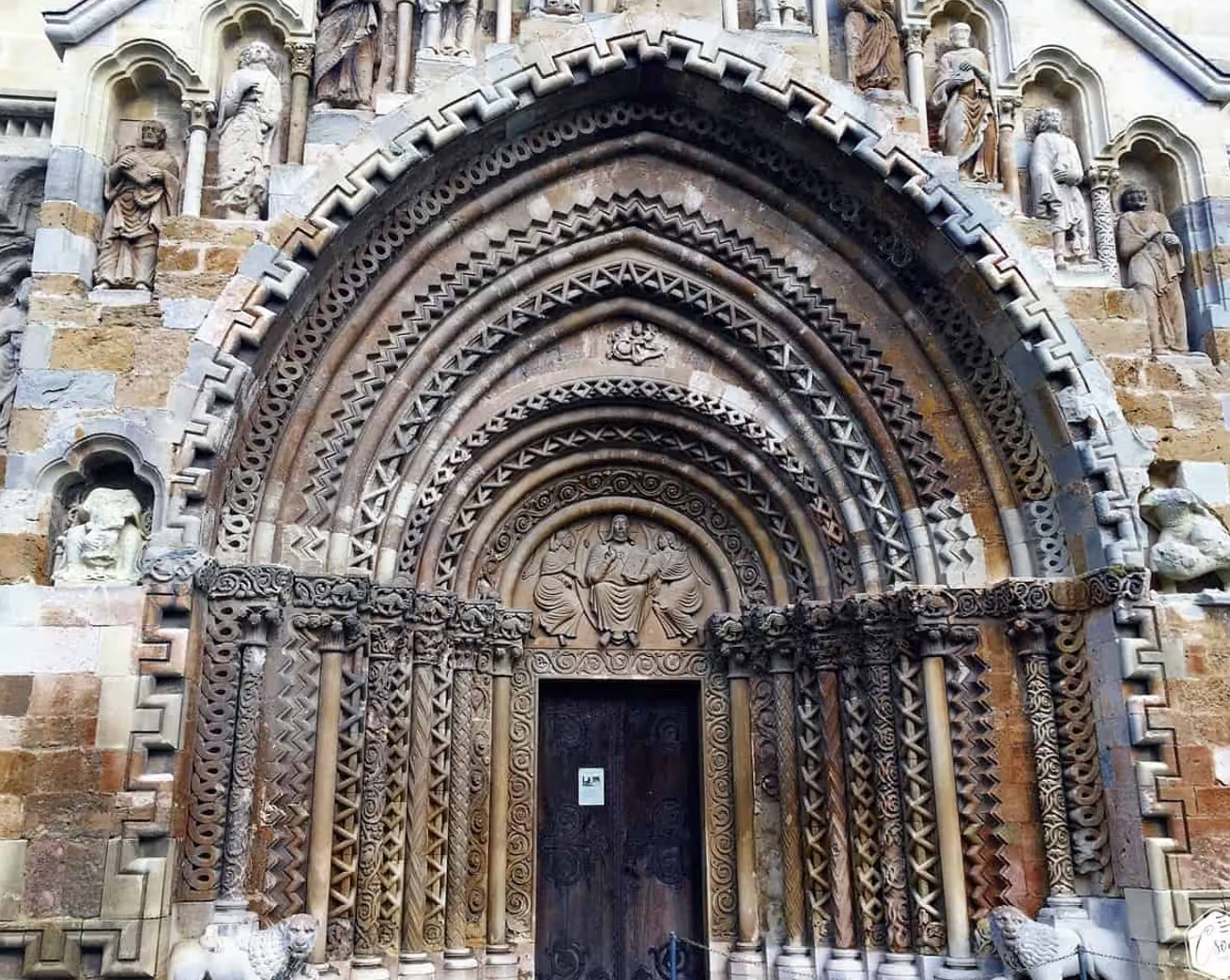
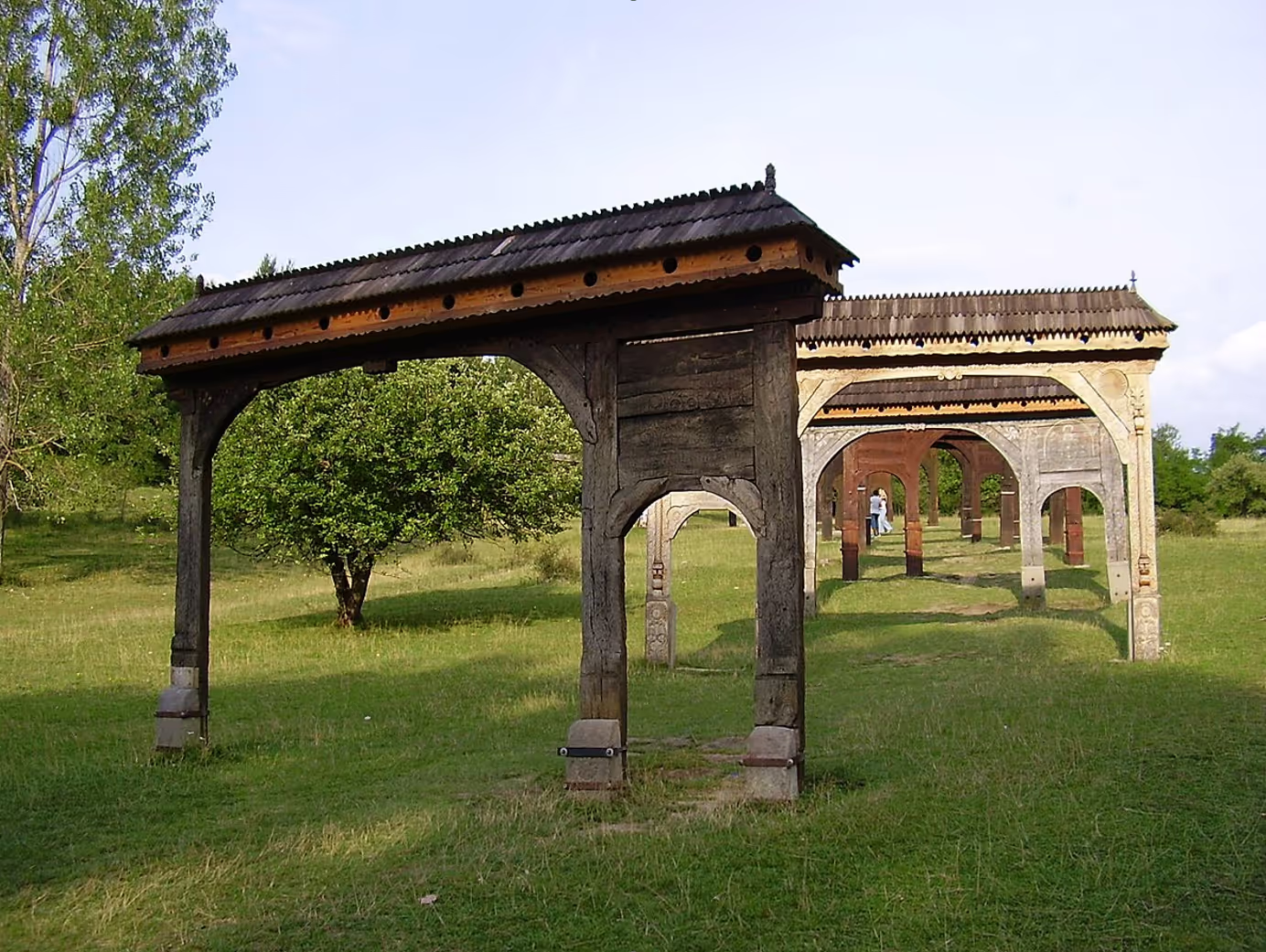

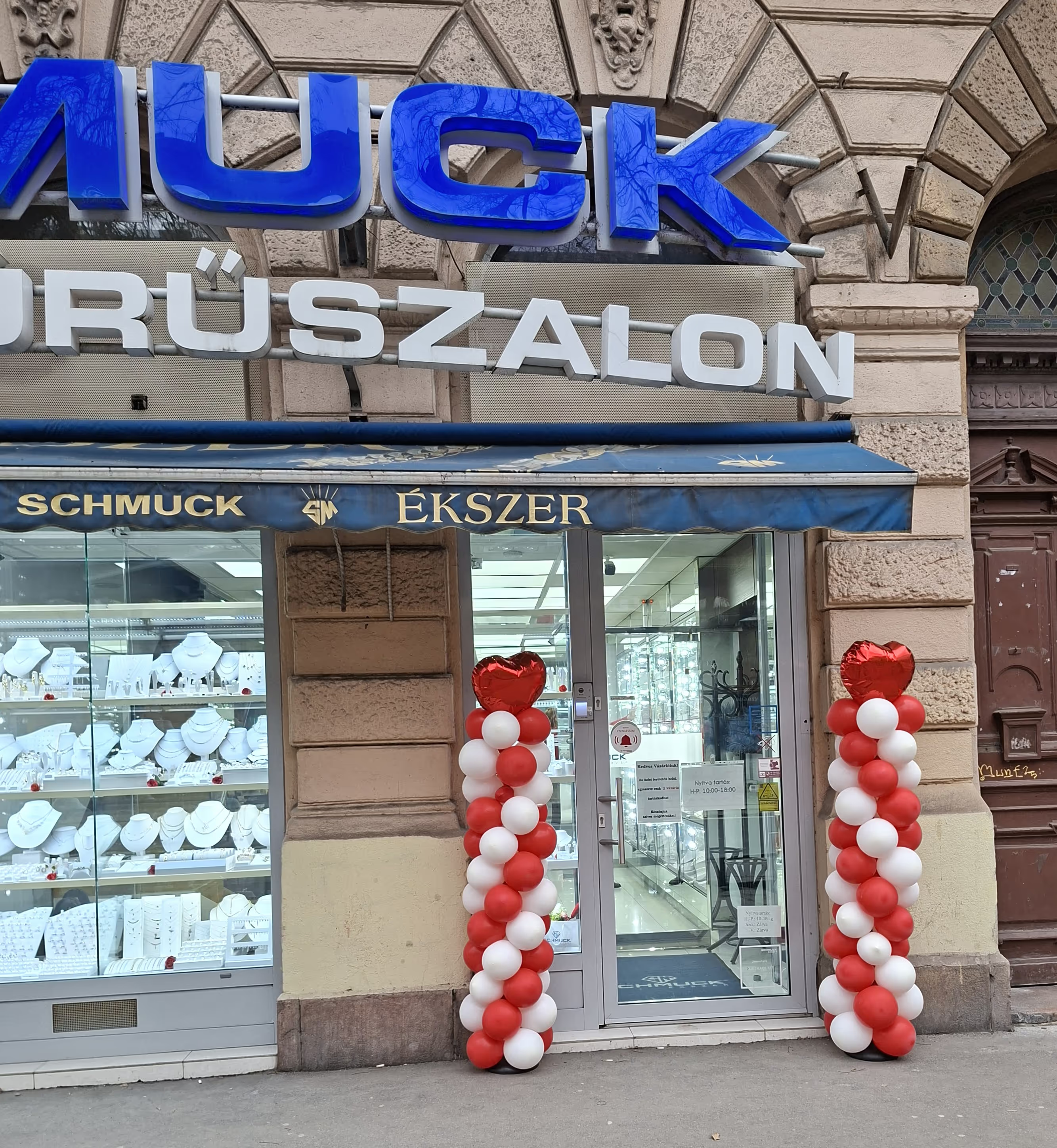
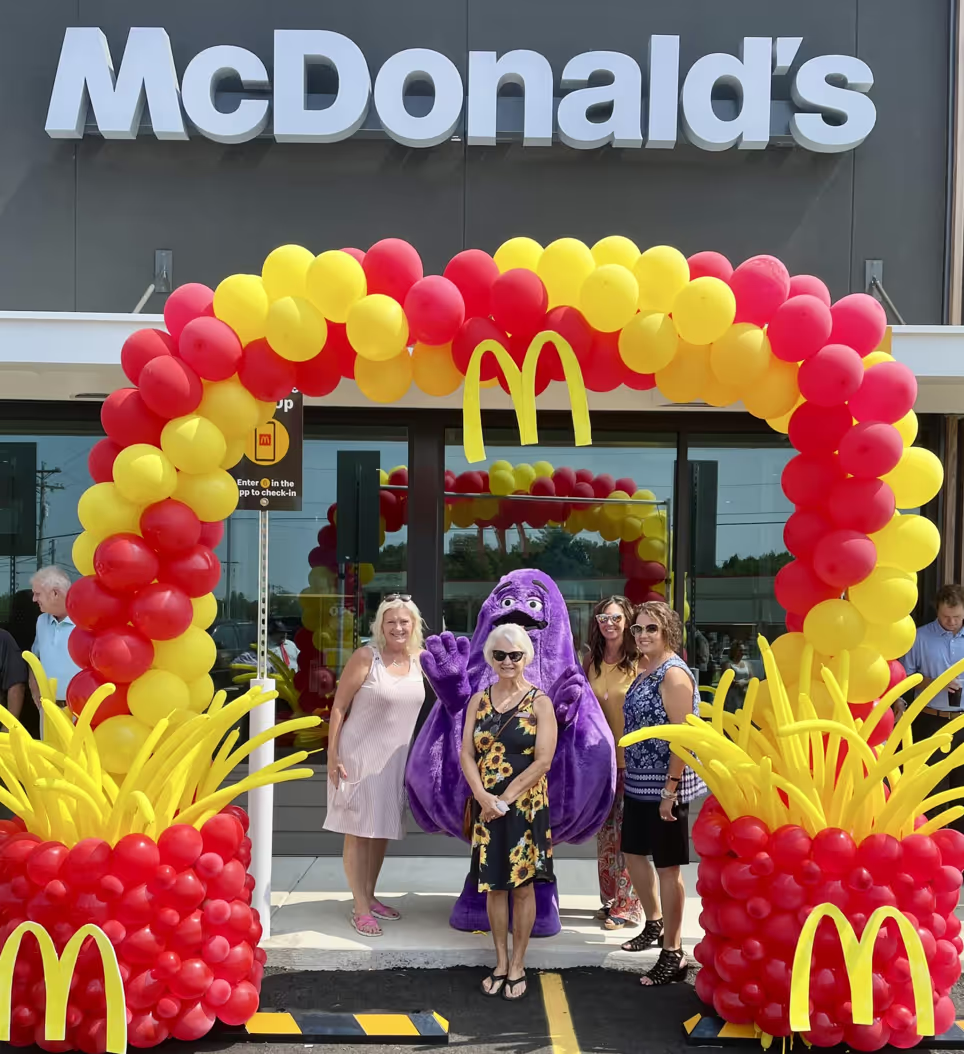
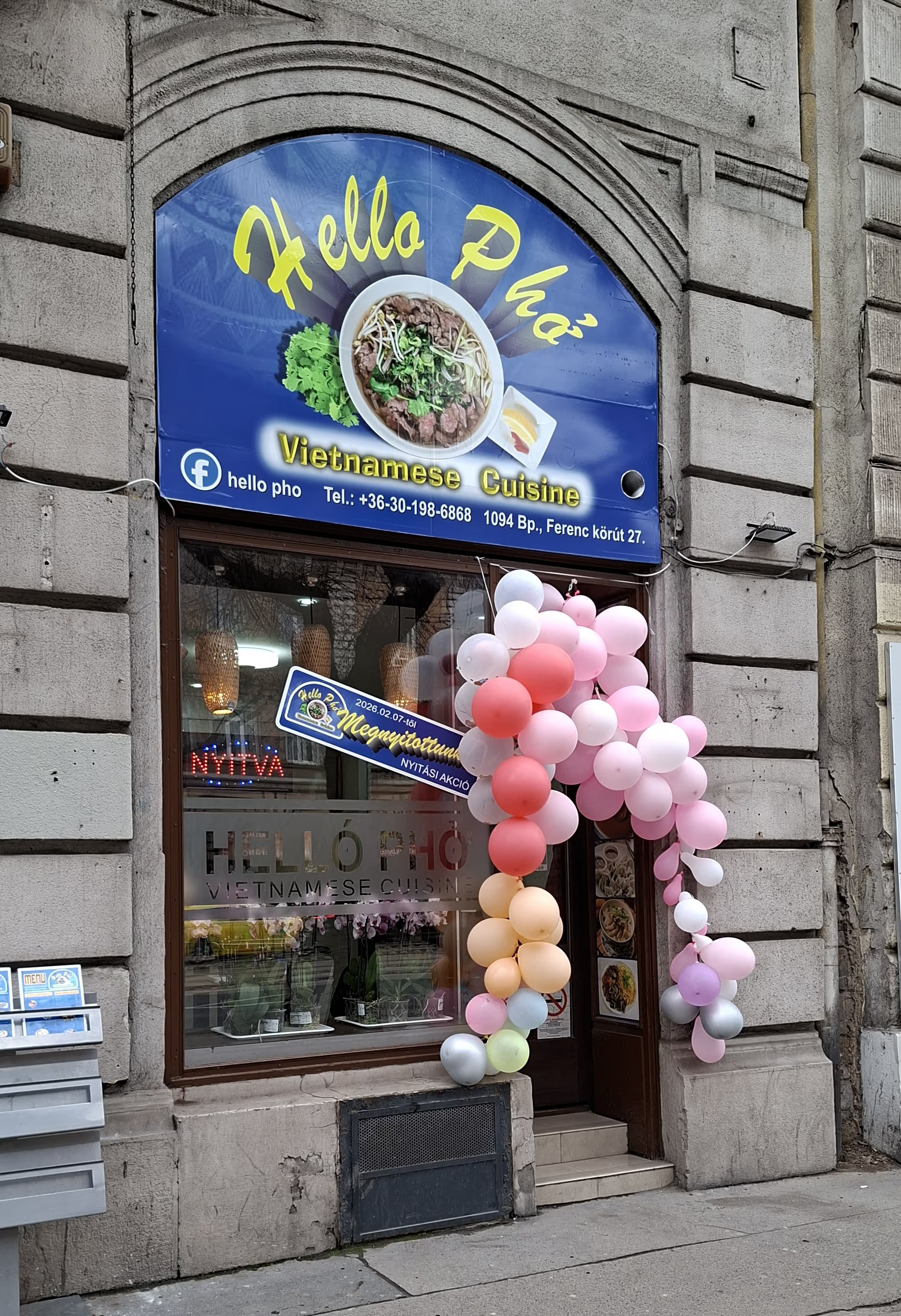
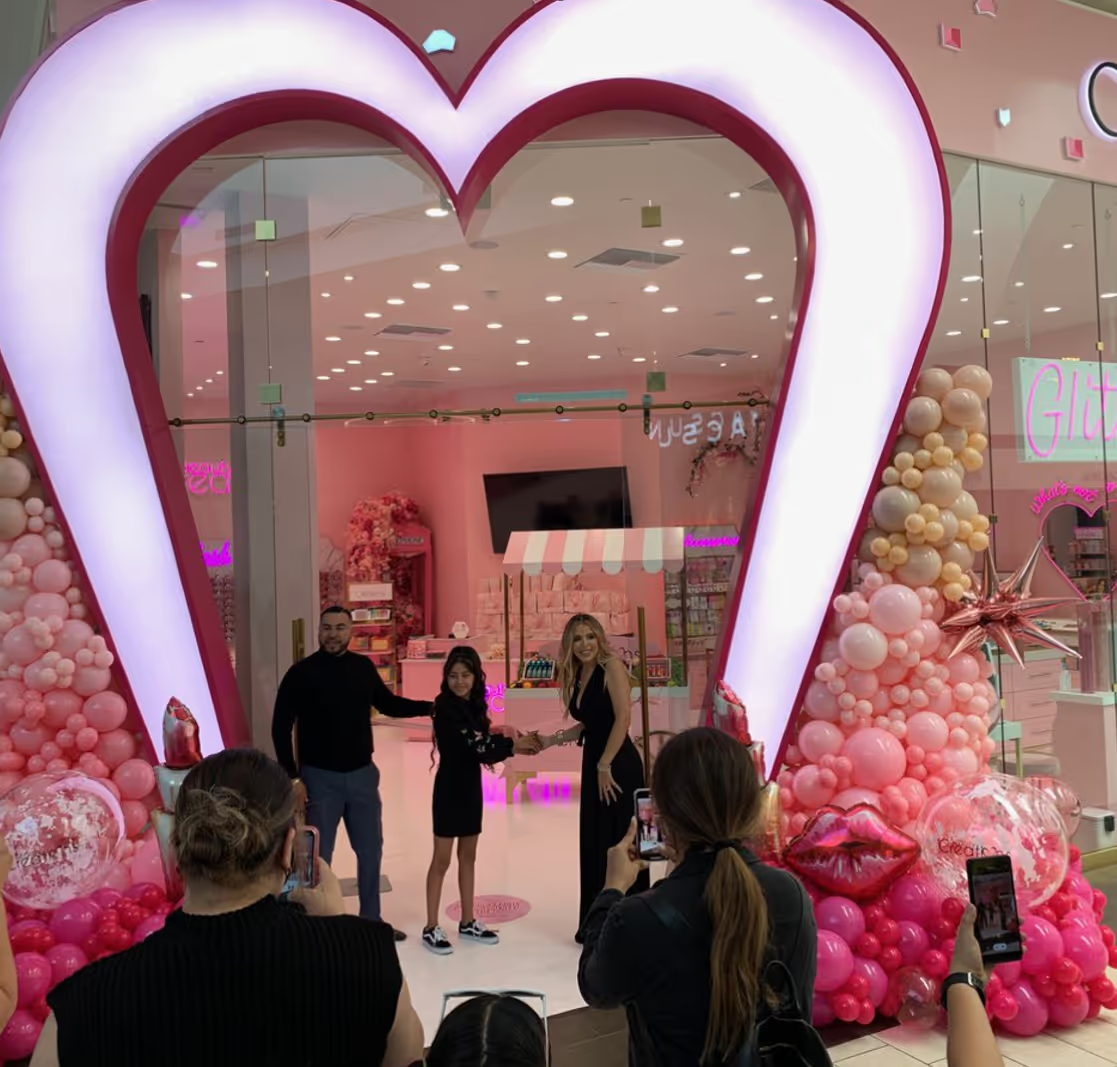


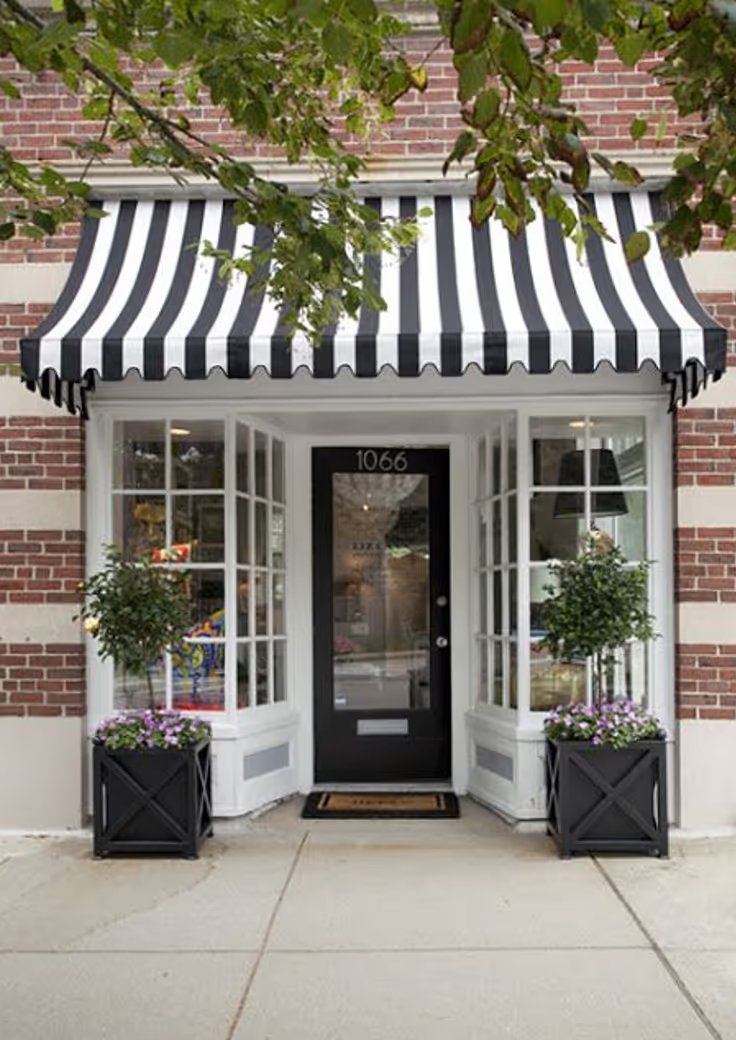
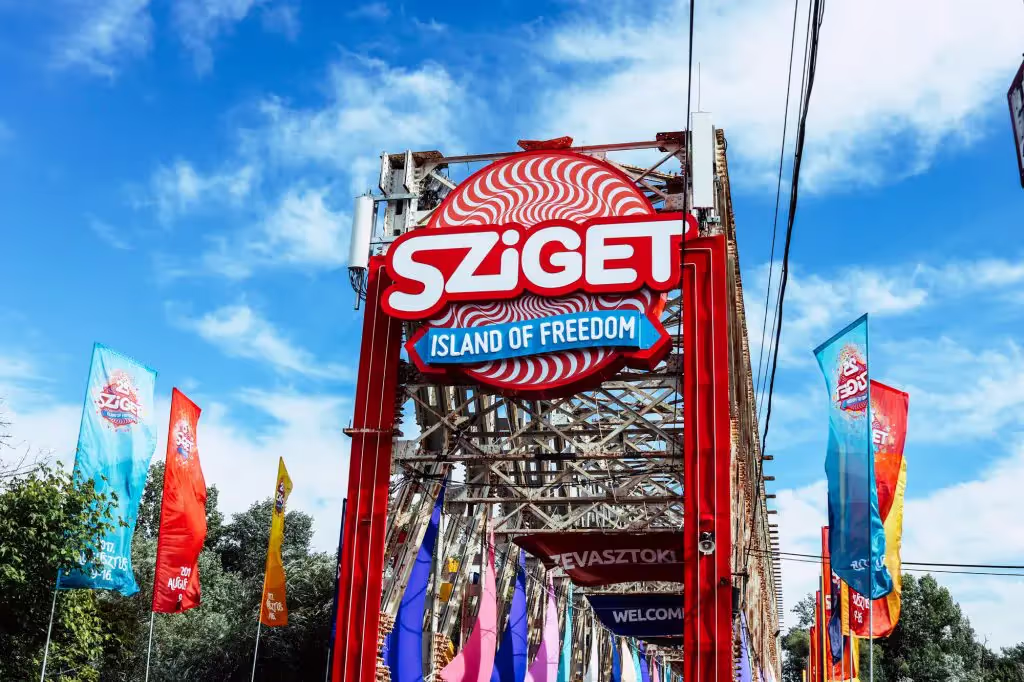
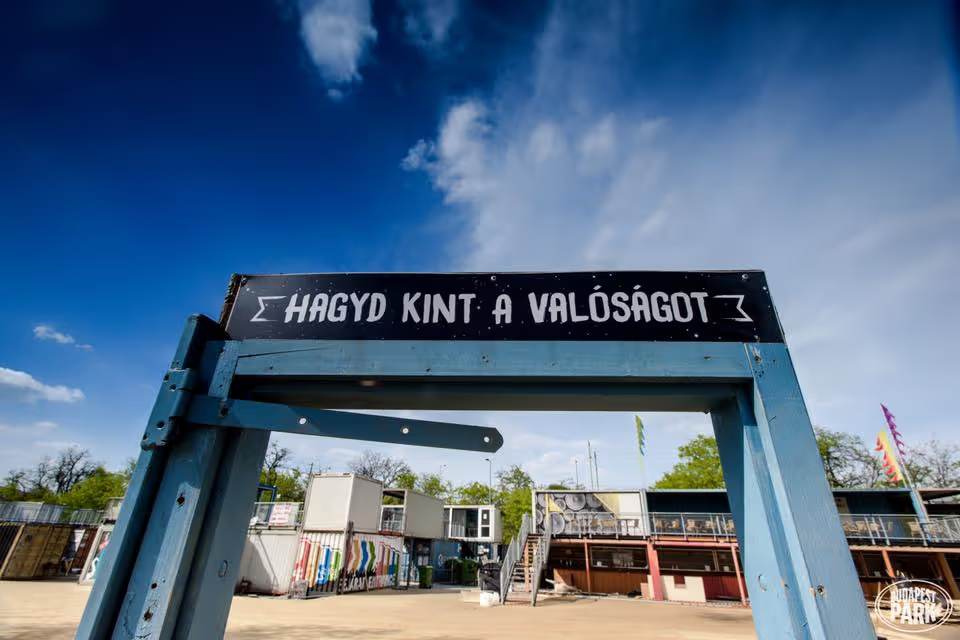
What aspects should you pay attention to when it comes to balloon gate and similar installations?
-
- Temporality: It should truly mark a special occasion. If you plan a permanent installation at an entrance, change it seasonally or for specific events.
- Photogenic appeal: Visuals matter. It should be beautiful, aesthetic, and attractive, Instagrammable.
- Attention-grabbing. It should stop people in their tracks and demand attention.
- Inviting: It should invite people in but shouldn't be mandatory or some kind of impenetrable barrier!
- Brand Fit: It’s best if the concept (elements, symbols, values) and colors align with the brand and the event.
- Irony is risky: Nomatter how playful or "festival-like," a balloon arch takes itselfseriously; it doesn't mock the symbolism of the gate. This is what gives itmeaning and significance.

Summary:
A balloon arch is much more than decoration: it signifies aspecial event and the opportunity to change, renew, and transform as we passthrough it. We don't just enter; we arrive. While aesthetics and brand harmony are important, its function offers much more than a mere"Insta-spot": it invites us in and promises a transformative experience - and that never goes out of style.
If you are even interested in the meaning of triumphal arches - Cultural history perspective
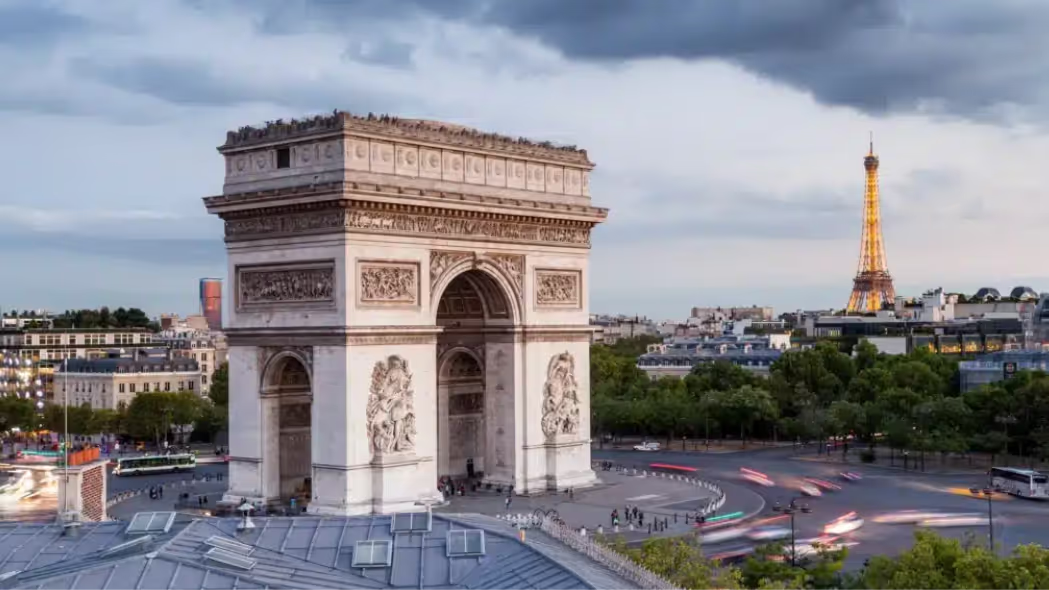
Have you ever wondered why triumphal arches exist? What wasthe point of passing under them in their original function?
As we say in semiotics: where there is choice, there is meaning.
The gate shape is a conscious choice. If we only wanted to leave a memorial of victory for posterity, we could build a statue or a non-gate monument. But that’s not what happened. Let’s explore why.
The manaist school of religious history was based on the observation of indigenous peoples. Its central concept is mana - the energy that exists in every person, animal, plant, city, object, and stone; it can increase or decrease. Manaist historians attempted to explain ancient religious phenomena through this lens.
When someone "wins," their mana - their energy - increases. They symbolically bring this energy into the city under thetriumphal arch. The mana and glory of victorious Roman generals were so great that during a triumphus - the ritual procession where the general entered the city at the head of his army and spoils - several "deflective" rites had to be used. By passing under the arch, his mana was added to the city’s, along with the energy of the victorious army and the captured treasures.
The same applied to the winners of the ancient Greek Olympics: in their case, they didn't build an arch, but rather tore down a section of the city wall. The winner entered with their mana, and then the wall was rebuilt, ensuring that the energy remained within the city.
This is exactly why we reach our hands toward the stage at concerts or collect memorabilia touched by a celebrity: we are reaching for the hero’s symbolic energy.