What's in the fridge? What's in the pantry?
If you only have time for one sentence:
Let's ask for a photo and look inside the fridge!
Thisis one of my favorite complementary methods for consumer research when we aren't conducting in-home visits. Why is it such a fantastic solution to ask for photos of your product in its natural habitat, its usual storage place?
- Competitive landscape: Youcan see which categories and brands are truly present in the consumer's life.To you, your product is everything - but to them, it’s often just one of many. Sometimes, in screening questionnaires, they can only name the color of the packaging. A picture is worth a thousand words.
- Credibility and authenticity: A photo of a fridge, pantry, or bathroom shelf leaves no doubt about a consumer's status. It validates the screening process and prevents misunderstandings; it’s quite telling when a household contains only private labels except for the premium brand being researched. Of course, this can be manipulated, but experience shows that most people - thank God - do not bother to tidy up for a photo.
- Planning: Does the consumer think a few days ahead or do they stockpile? The contents of a fridge reflect the past (leftovers), the present (fresh ingredients), and the future (unopened products with long shelf lives).
- The tensions between norms, desires and reality: This is a goldmine for brand communication. We all know the image: a healthy or "light" product tucked away next to cake leftovers, or alcoholic beverages stored alongside piles of fruits and vegetables.
- “I am my fridge”: Today, dietary preferences are parts of identity. A fridge reflects whether someone eats selectively, prioritizes the pleasure of eating, or follows specific health trends. A low-fat food item says: "I pay attention to this." This is further nuanced by the arrangement of the fridge, labeling, containers,or the lack thereof.
- Practicality: There's no need to spend precious time in focus groups or in-depth interviews writing lists. The photo shows "what is there," leaving more time for the tough questions: why is it there, and why that specifically? Photos are also perfect projective tools during interviews.
In practice
Once upon a time... there was an FMCG client who wondered where to place their products in-store, as they fit into multiple categories. Besides asking current and potential consumers where they would look for the product, and comparing it with competitor categories, the pantry photos showed us exactly where they categorized the product and what they placed it next to. As a bonus, the items at home provided a much fuller picture of the special dietary paths they were following.
Practical tips
- Ask for multiple photos over time (a couple of days/one week apart)! A fridge looks very different before and after a big grocery run. A single snapshot is a cross-section, but not the full picture. Also,"adjustments" (like hiding embarrassing products) are more noticeableover time.
- It's okay if it's “too beautiful.” If you feel a photo was preceded by conscious tidying or cleaning, treat that as data too. During the conversation, try to explore why the person felt a spontaneous photo was "not good enough," and where they feel the tension between reality and the ideal.
- Recognizethe limitations. A fridge or pantry doesn't show food delivery, meals at work, weekend family lunches (though the well-known "takeaway" ice cream or sour cream containers do), or dining out.
- Don'tover-interpret! It’s tempting to label a buyer of organic products as "conscious" or a messy fridge as "chaotic," but reality is often more nuanced. The fridge shows something, but it doesn't explain it 100%. Ask questions!
Let me give you an example.
Which refrigerator tells which story?
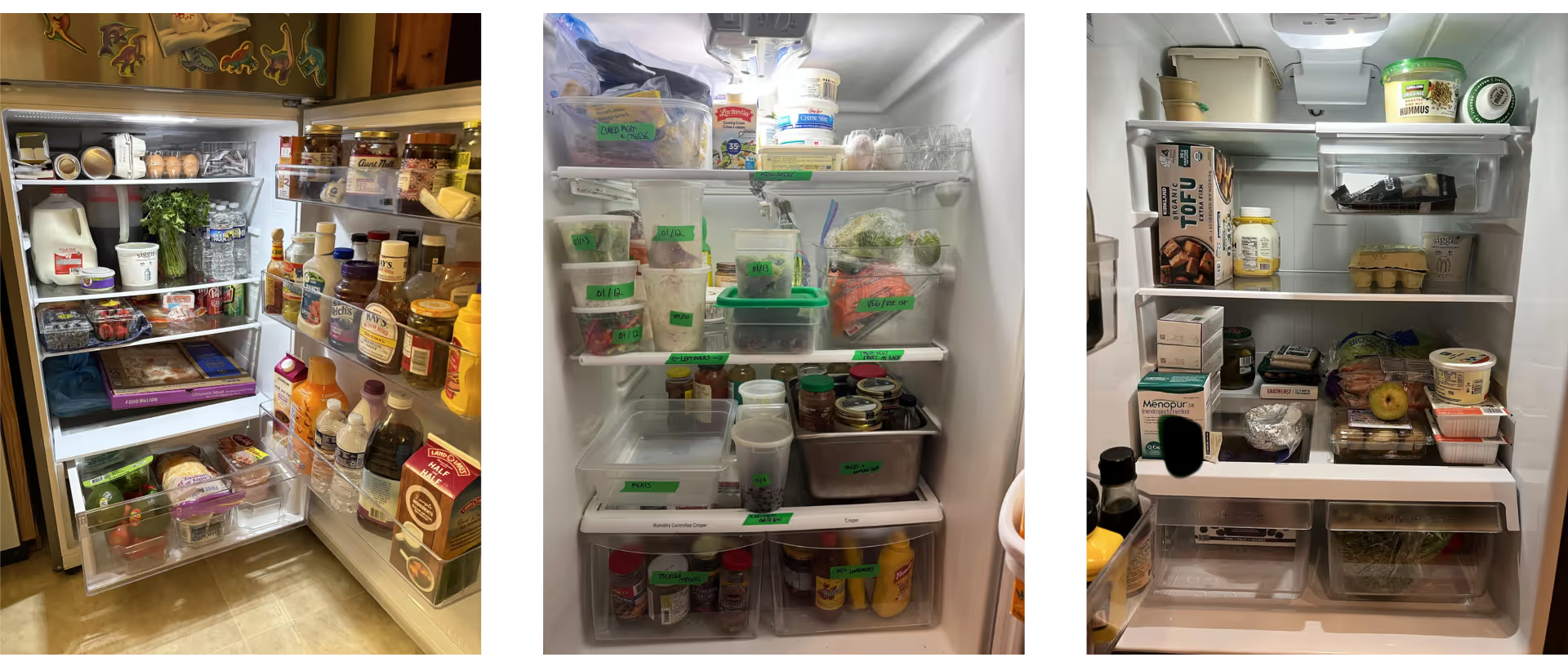
A couple of aspects of the many worth examining:
- Categories and brands, competitive environment
- Ingredients VS Ready-made M,eals
- The arrangement of the cooler: order and control VS chaos, spontaneity
- Flavors and seasonings, signs of indulgence
- Signs of selective nutrition (e.g. vegan, free, etc.)
- Tensions between desires and reality
- The dimension of time and planning
It’snot just about the fridge and pantry
.avif)
There are many spaces in our home where similar examination adds immense value to qualitative research. Without being exhaustive, we can request photos of:
- Bathroom shelves, cleaning products and toilet area
- The medicine box, drawer
- The contents of the bag, backpack, shoe cabinet
- The home office corner
- The drawer for snacks, chocolates, places for coffee, tea and other drinks, alcoholic beverages
- Pet related products, pet things
- Children's toys
Summary:
Photographing the fridge, pantry (or any home space related to the brand) is incredibly useful for any research where we can not visit the consumer's home. We learn not just about brand preferences, but so much more: how the person relates to time and planning, how they think about food and themselves, and where the tensions and compromises lie. While it doesn't provide a complete picture, it is a fantastic starting point for conversations that truly dig deep.